At Radhyashri, we believe innovation begins at the grassroots. As a provider of Atal Tinkering Labs (ATLs) under the Atal Innovation Mission, we transform schools into innovation hubs where creativity and hands-on learning take center stage.
Our ATL setups come with cutting-edge tools—3D printers, robotics kits, IoT modules, and electronics— empowering students from Class 6 to 12 to tinker, explore, and innovate.
We go beyond installation, offering comprehensive support including teacher training, student bootcamps, mentorship, and technical assistance—helping schools nurture the next generation of thinkers, makers, and leaders.
Atal Tinkering Labs are a flagship initiative by NITI Aayog to foster a culture of innovation and entrepreneurship in India’s schools.
At Radhyashri’s Atal Tinkering Lab, we empower young minds to transform curiosity into groundbreaking solutions through hands-on, DIY tech projects! Imagine building a Motion Detector using PIR and Arduino to automate security systems, crafting a Touch-Based Doorbell for smart home integration, or designing an Earthquake Detector that could one day save lives by sensing vibrations in real time.
These aren’t just projects—they’re gateways to innovation, blending creativity with cutting-edge technology like Real-Time Clock Displays, Light-Following Robots, and Gas Leak Detectors that tackle real-world challenges.
Innovation isn’t just about ideas—it’s about action. By working on projects like these, students learn to think critically, solve problems, and turn theoretical concepts into tangible tools. For instance, the Gas Leak Detector using MQ-2 Sensors isn’t just a circuit— it’s a lesson in environmental safety and proactive engineering.
The Light-Following Robot teaches principles of automation and renewable energy, while the Real-Time Clock Display merges coding with practical usability. These projects nurture a mindset of resourcefulness, adaptability, and sustainability—skills vital for tomorrow’s leaders.
Creativity thrives when students see their inventions come to life. Radhyashri’s lab isn’t just a workspace; it’s a launchpad for innovators who dare to reimagine the future. By experimenting with sensors, code, and hardware, learners discover the thrill of turning "what if?" into "here’s how!"
Whether it’s upskilling in electronics, coding, or sustainable design, every project fosters entrepreneurial thinking and STEM fluency.
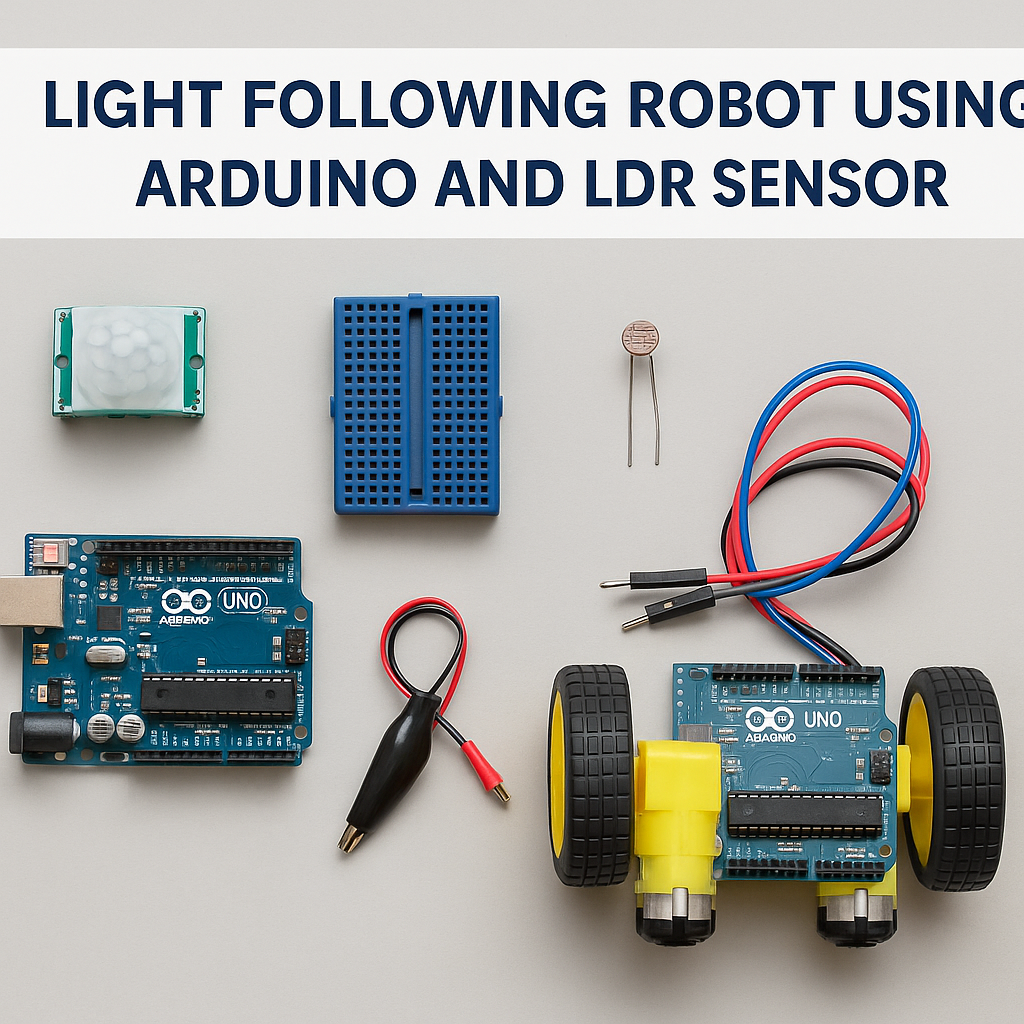
When 13-year-old Priya first held the light-dependent resistor in Radhyashri’s Atal Tinkering Lab, she wondered how this tiny, unassuming component could mimic a sunflower chasing sunlight. Under the guidance of mentor Mr. Verma, she embarked on a three-day journey to build her first robot.
On Day 1, she calibrated two LDR sensors—the robot’s “eyes”—on a sleek chassis, learning how light intensity translates to voltage signals. By Day 2, her hands trembled as she connected the Arduino Uno to the motor driver, watching as coded logic transformed into motion: wheels spun left when her flashlight danced to the right, and surged forward under balanced light.
When her prototype hesitated during testing, Mr. Verma grinned—“Time for iteration!”—and together they fine-tuned thresholds using the lab’s real-time data tools. On the final day, Priya gasped as her creation, now upgraded with a mini solar panel from the lab’s “Innovation Wall,” glided smoothly toward a desk lamp, avoiding obstacles autonomously.
Weeks later, her robot—a blend of LDR precision, Arduino logic, and relentless tinkering—won accolades at the state science fair, proving how Radhyashri’s structured mentorship turns “What if?” into “I did it!”—one sensor, one line of code, one spark of curiosity at a time.
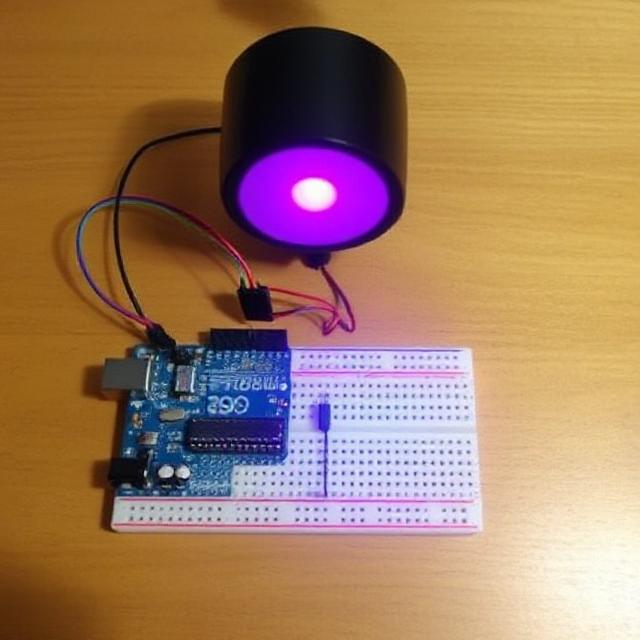
The Motion Detector project uses a PIR sensor and Arduino to detect movement and trigger actions like sounding an alarm or switching on lights. It's an excellent way for students to learn sensor interfacing, automation logic, and real-world safety applications.
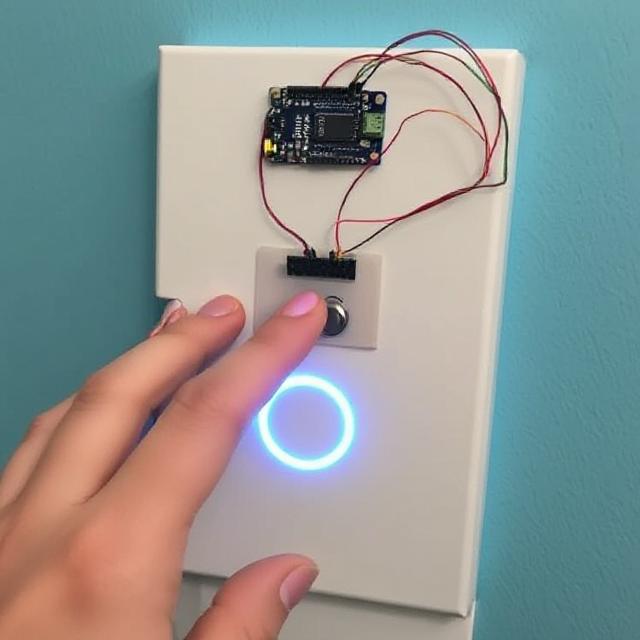
The Touch-Based Doorbell replaces traditional push buttons with a capacitive touch sensor. When touched, it sends a signal to the Arduino to ring the bell. This project teaches students about touch sensing, digital signals, and modern user interfaces.
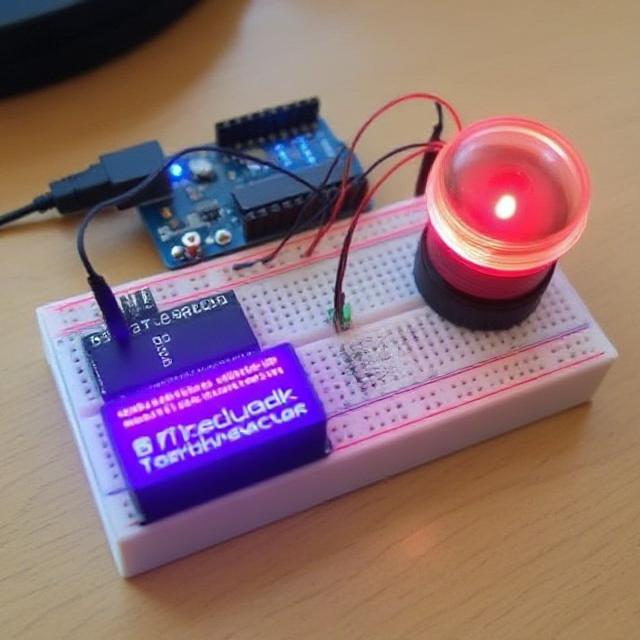
This project uses a vibration sensor with Arduino to detect seismic activity. It triggers alerts when vibrations exceed a threshold, making it ideal for basic earthquake warning systems.
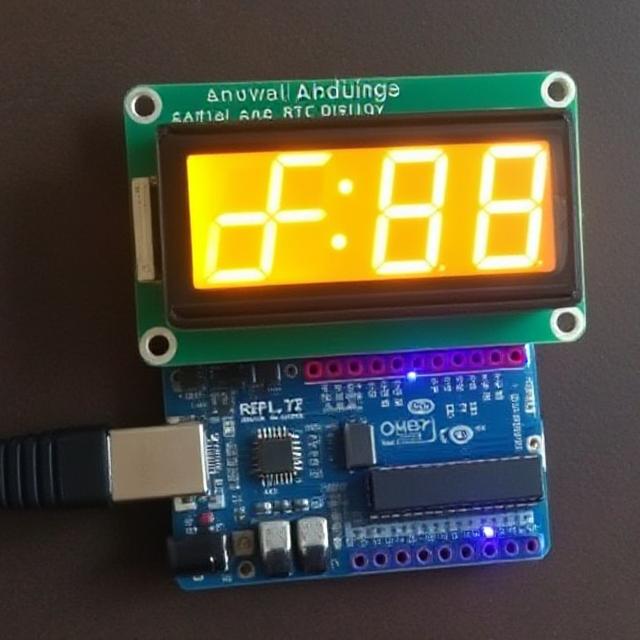
This project shows real-time data using an RTC module and Arduino. Even when powered off, the RTC maintains time, making it perfect for clocks and scheduling tools.
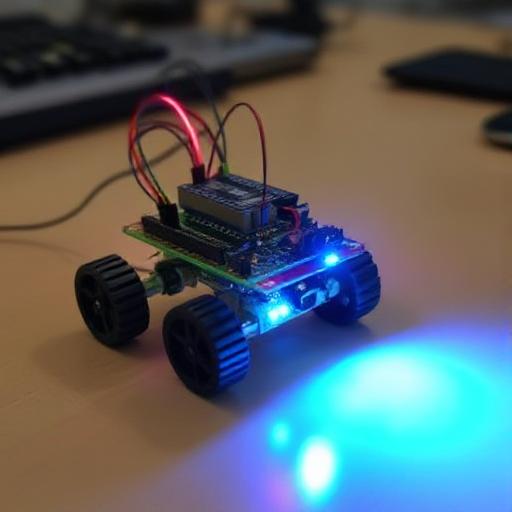
This project uses Arduino and LDR sensors to build a robot that moves toward light sources. It's a fun way to learn about analog input, motor control, and basic robotics.
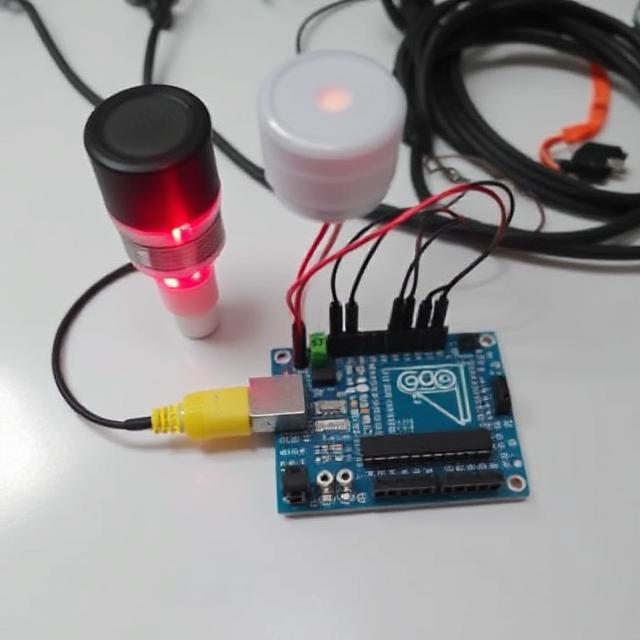
This safety-focused project uses an MQ-2 gas sensor with Arduino to detect harmful gases like LPG, smoke, or methane. When gas is detected, an alarm is triggered for quick action.
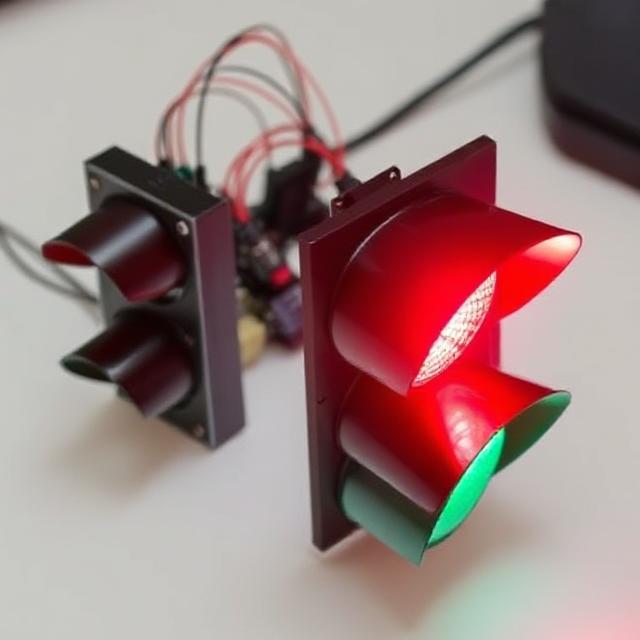
This project simulates a real-world traffic light system using an Arduino and a traffic light module. It's a great way to understand basic digital output control, logic implementation, and timing operations in embedded systems.
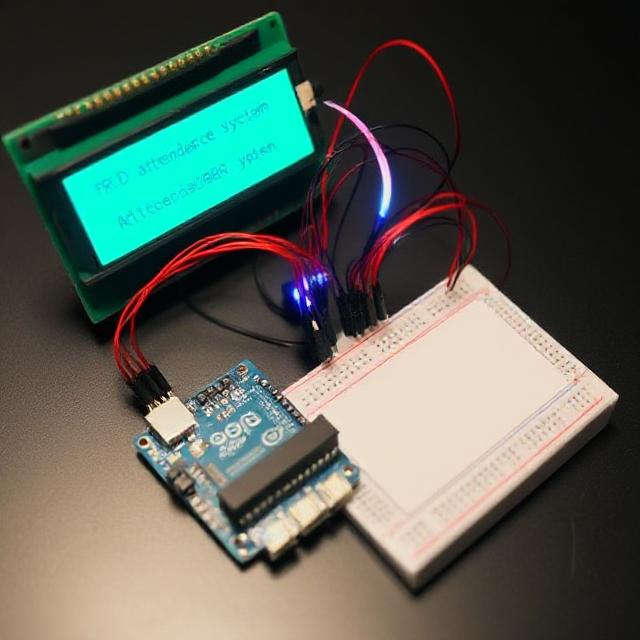
This project uses an RFID reader and Arduino to build an efficient attendance tracking system. Each tag is uniquely identified, allowing automated entry logging with real-time data display and optional storage capability.
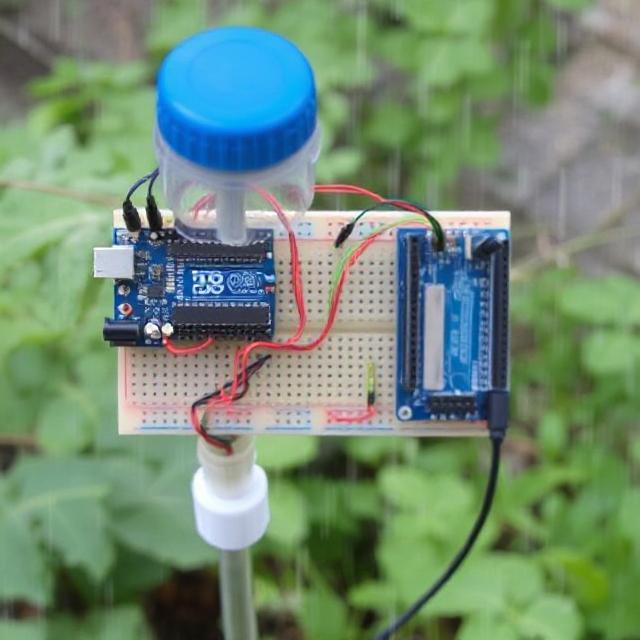
This project uses a rain sensor and Arduino to detect rainfall and automatically trigger actions like closing windows or sounding an alert. It's a useful automation project that showcases real-time sensor monitoring and smart environment response.
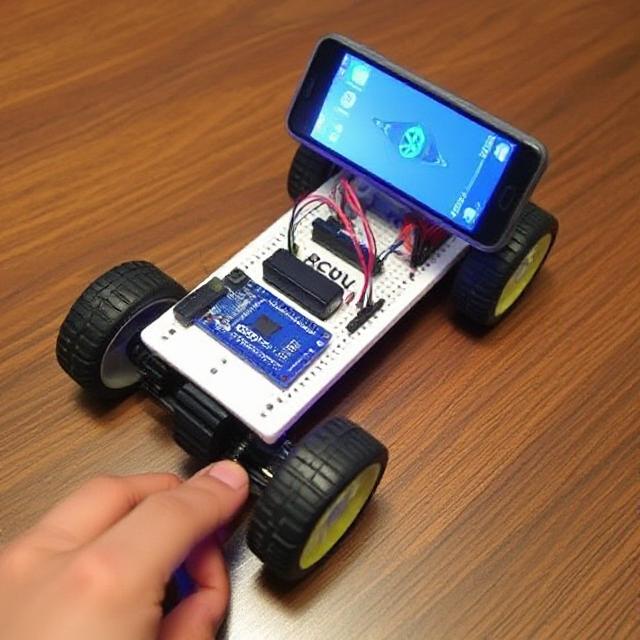
This project builds a remote-controlled car using Arduino and Bluetooth module. The car is operated via a smartphone app, allowing directional control and speed management wirelessly, which demonstrates wireless communication with embedded systems.

This fire safety project uses a flame sensor and Arduino to detect fire and trigger an alarm or alert system. It’s ideal for building early warning fire detection systems in homes, labs, or factories.
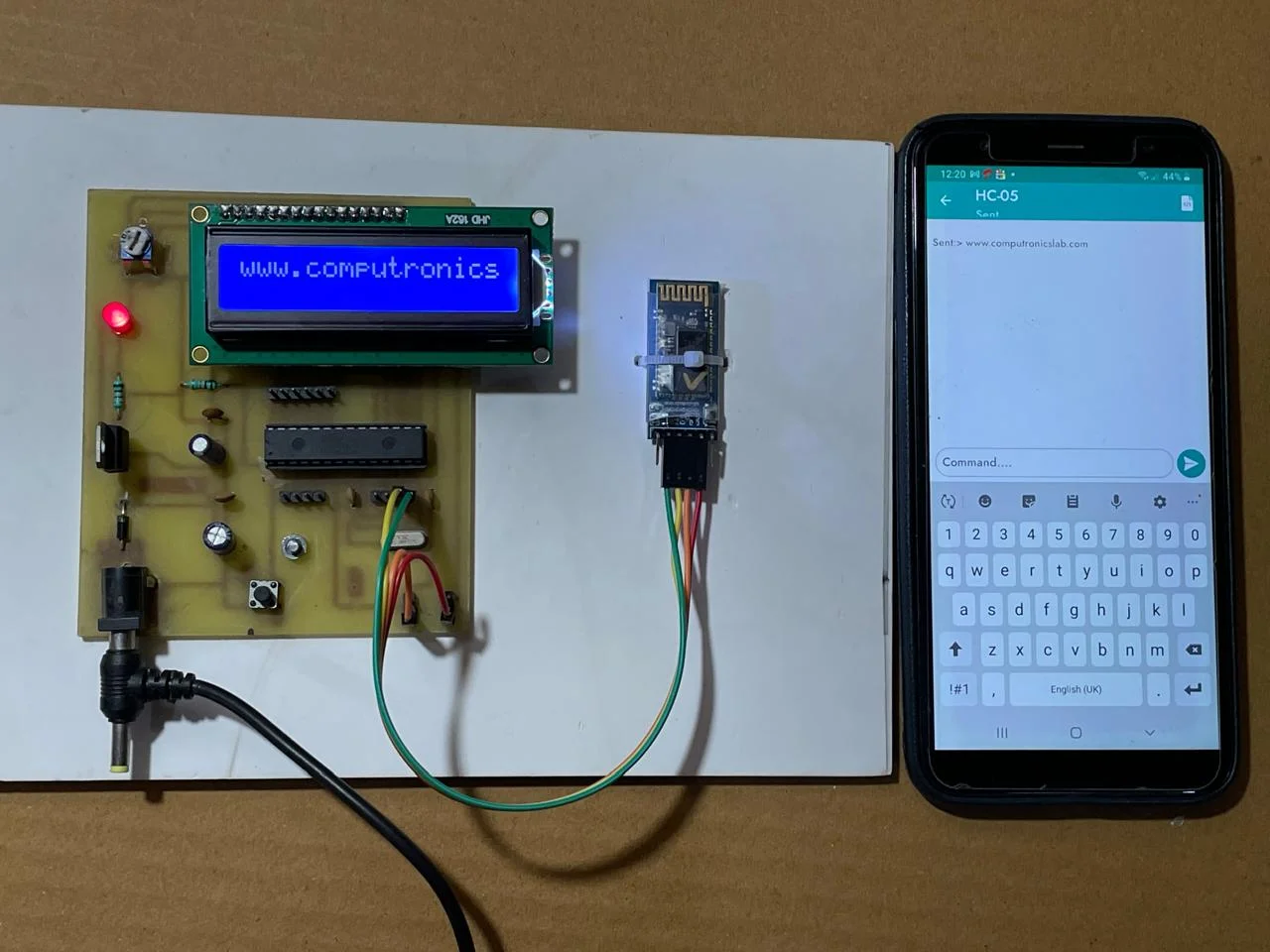
This project uses Arduino and Bluetooth or Wi-Fi module to create a digital notice board that receives updates wirelessly. It's perfect for schools, offices, or public places to display dynamic information from a remote device.
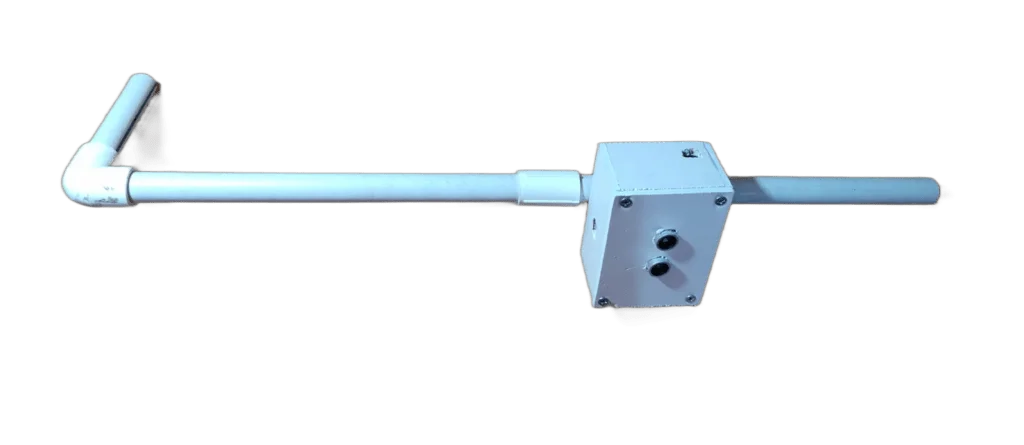
This project assists visually impaired individuals using an Arduino-powered stick with ultrasonic sensors and a buzzer to detect obstacles and guide movement safely.
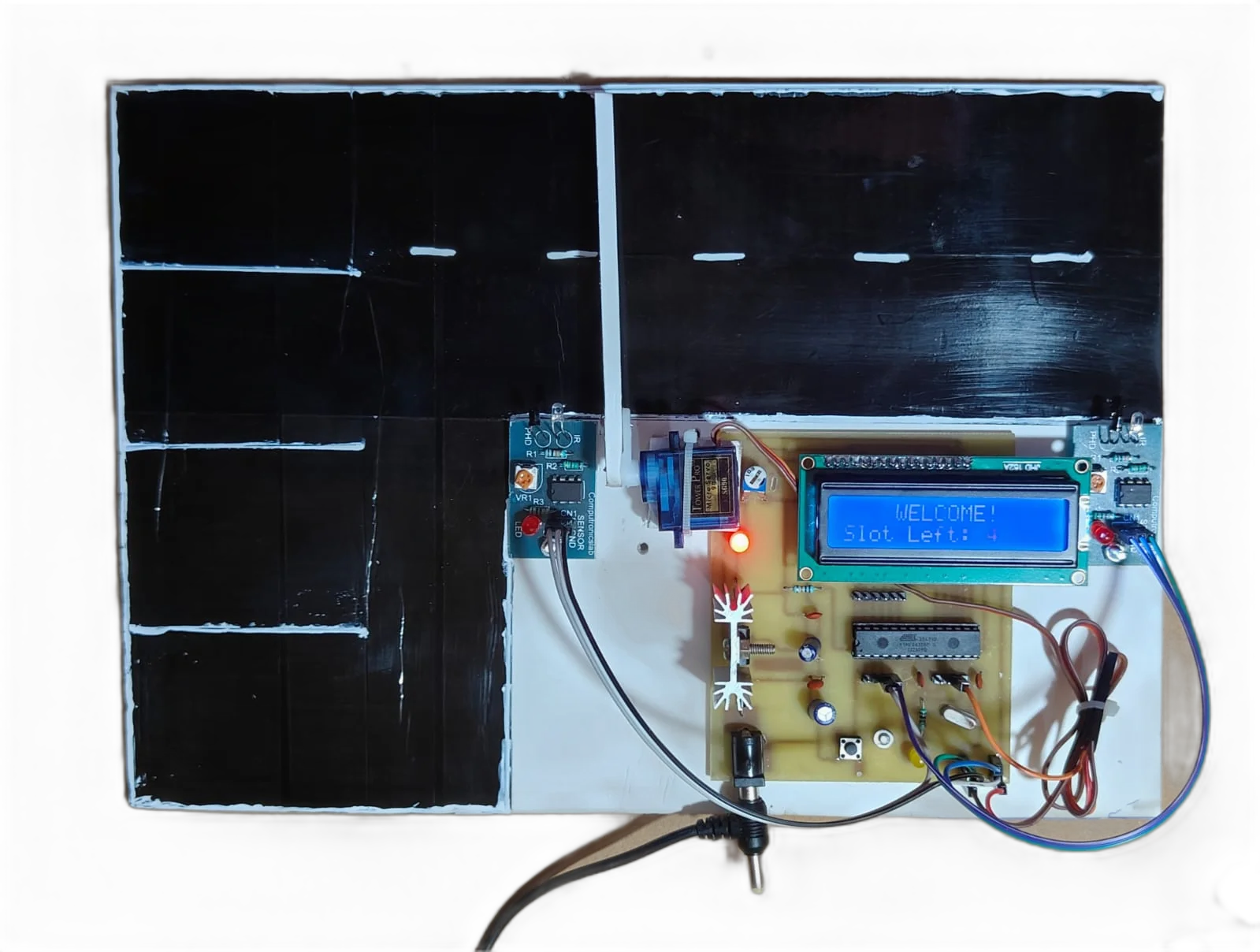
An automated parking solution using Arduino and sensors to detect available slots and manage space efficiently, ideal for malls and public parking lots.
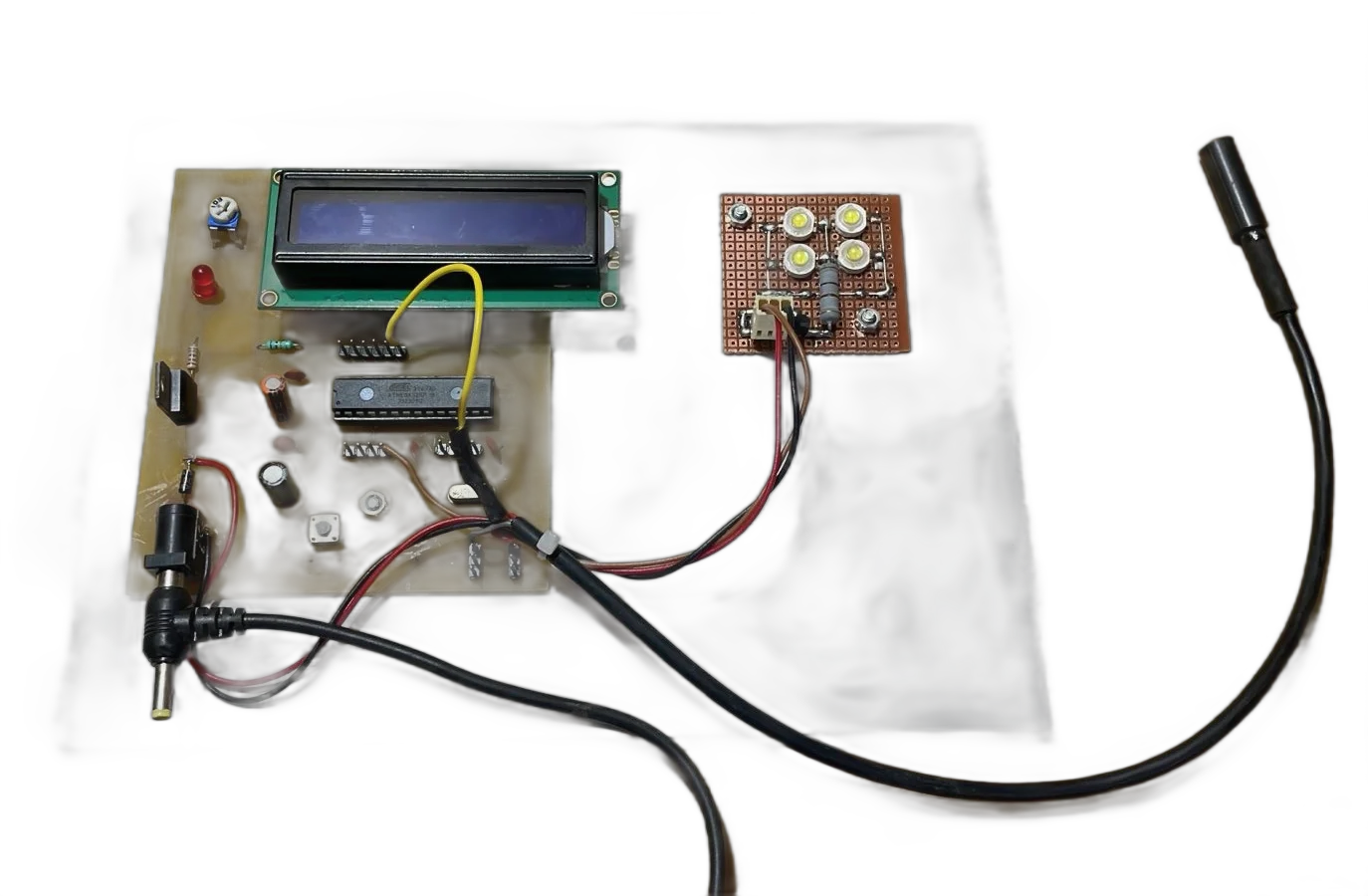
This project controls a vehicle's headlight based on ambient light, improving road safety and energy efficiency with Arduino-based automation.
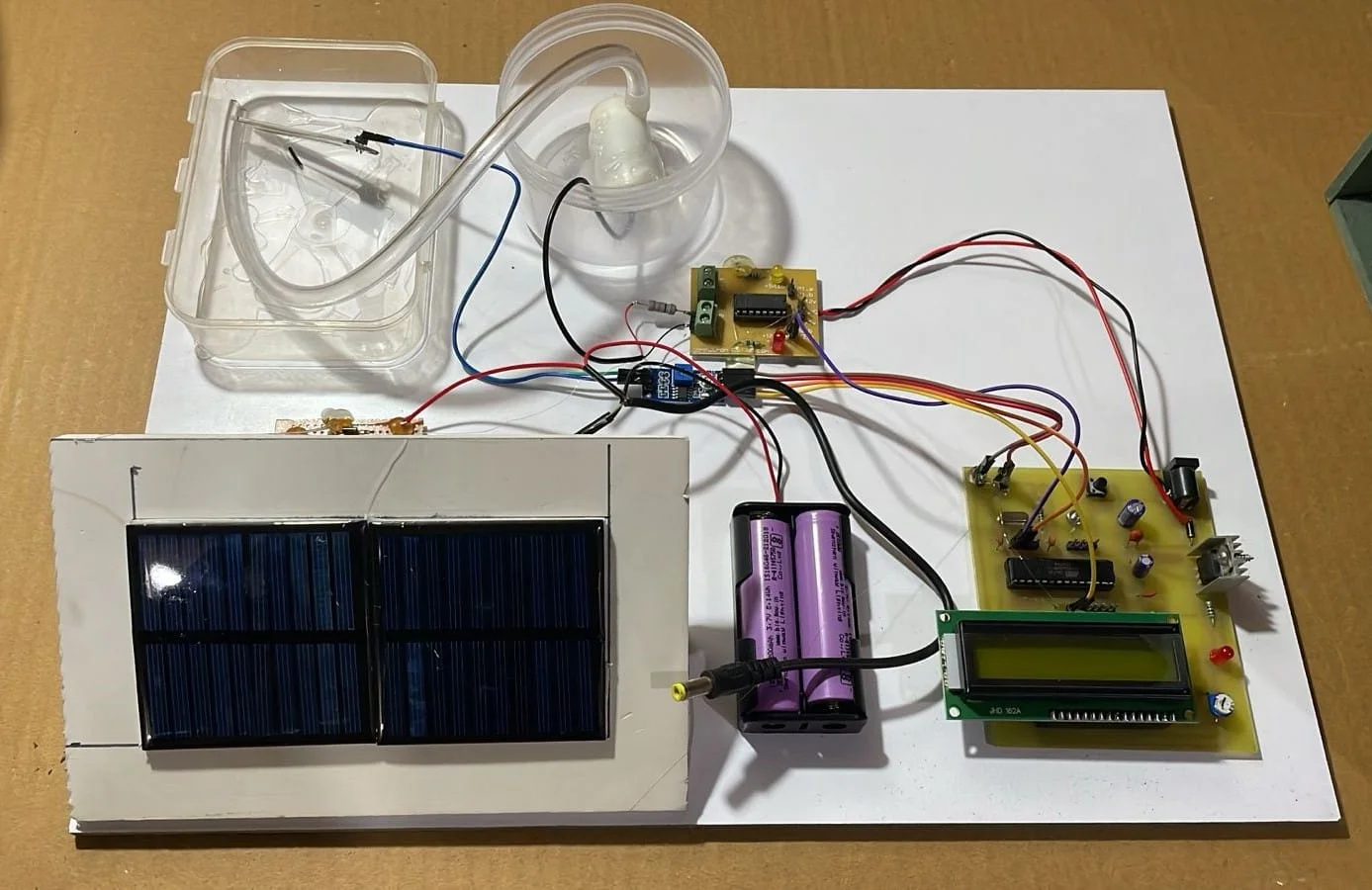
A smart irrigation system powered by solar energy and controlled by Arduino to automate water supply based on soil moisture levels.
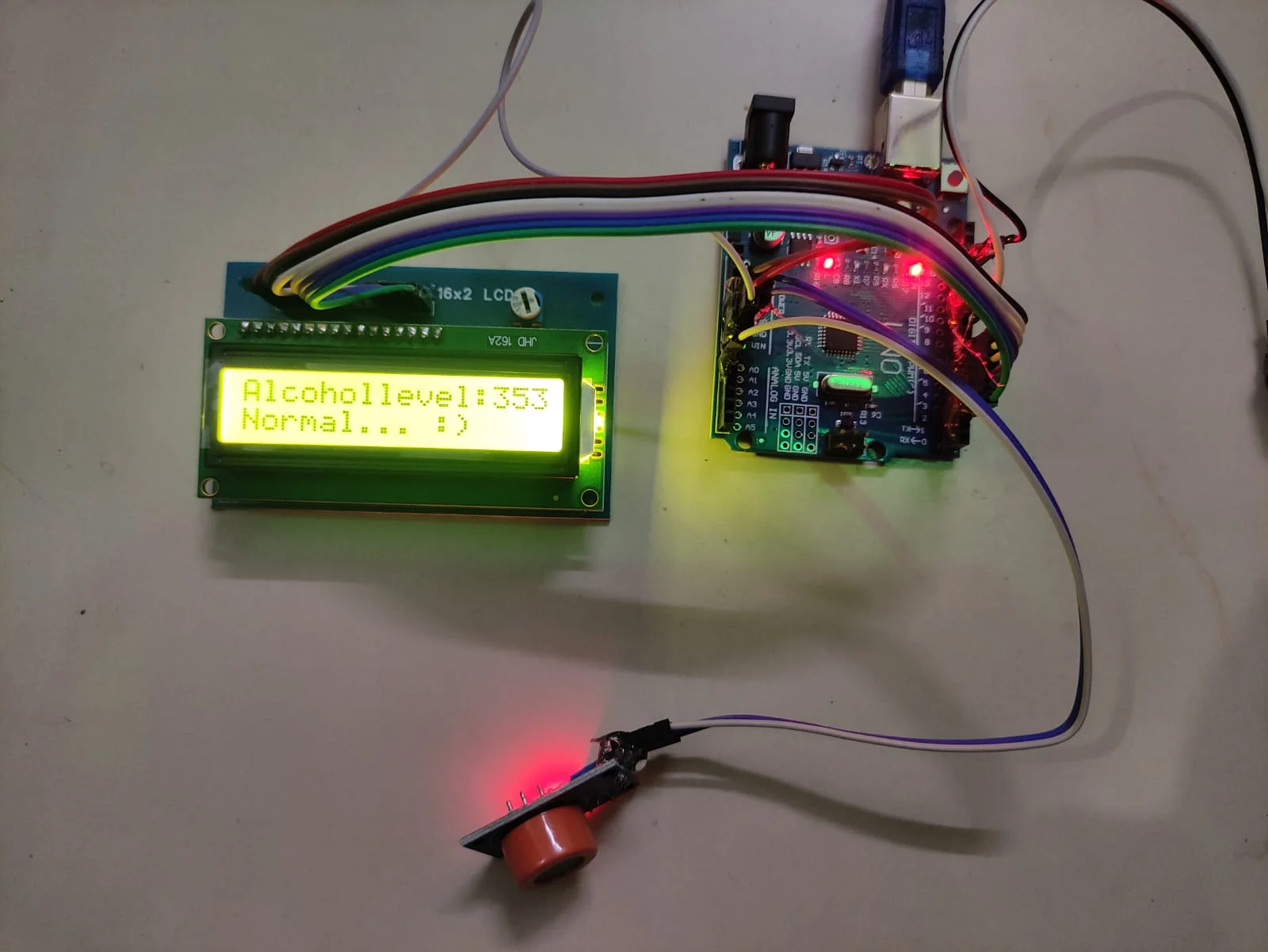
This project uses an MQ3 sensor to detect alcohol presence and trigger alerts, helping monitor driver sobriety or ensure workplace safety.
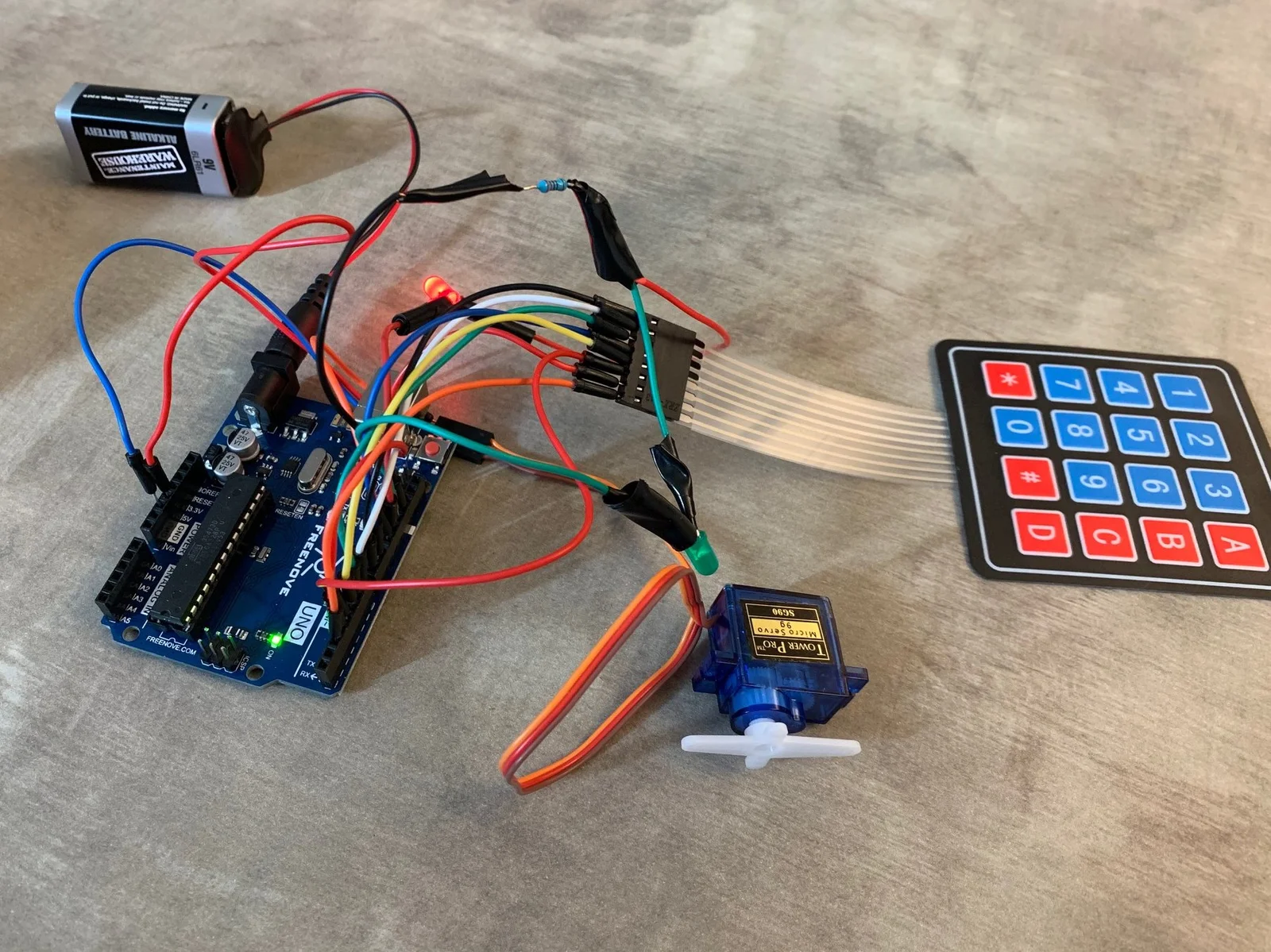
A security project using a keypad and Arduino to control door access with a user-defined password, offering enhanced home or office protection.
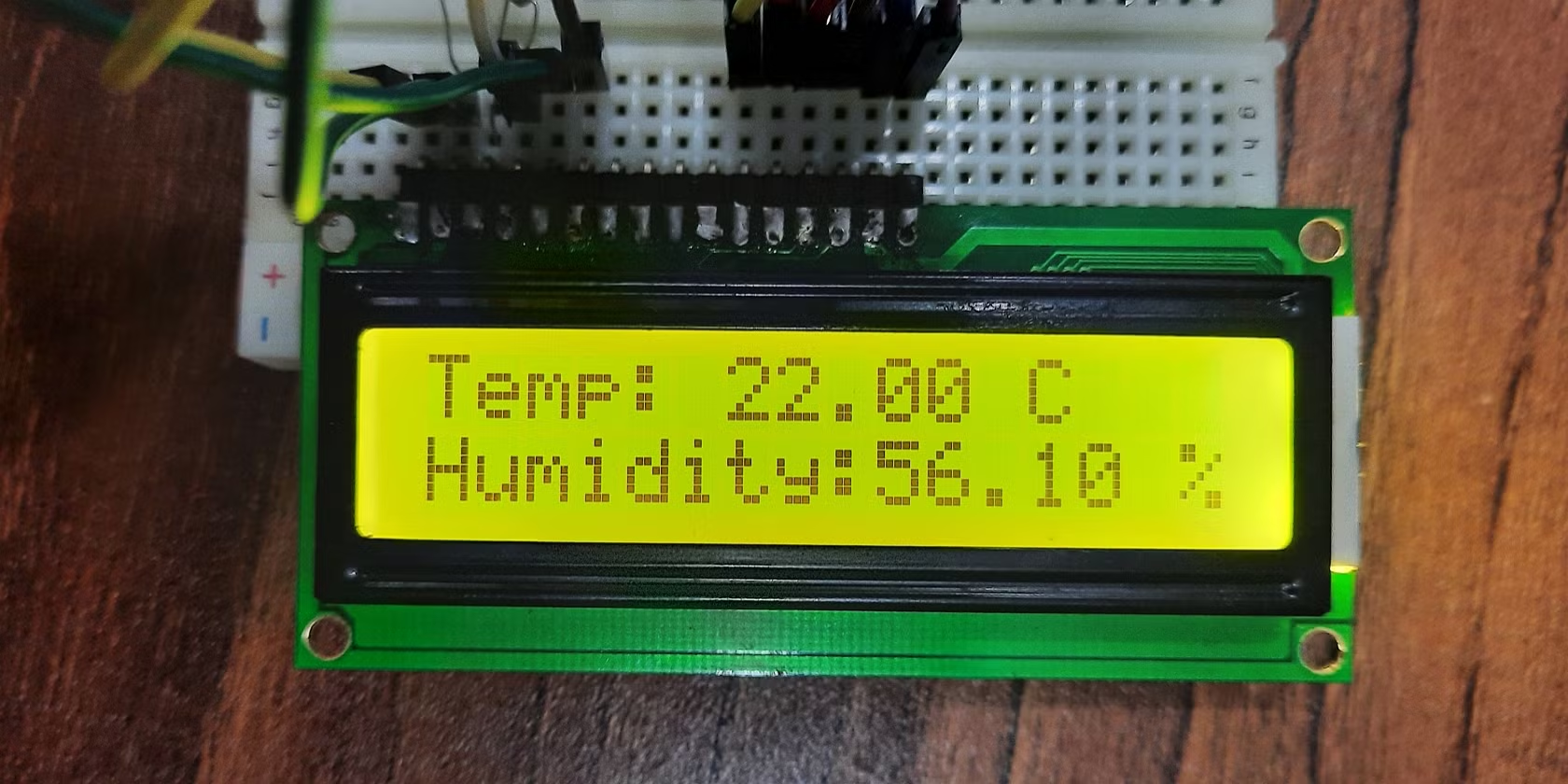
Displays real-time temperature readings using a DHT22 sensor and Arduino, suitable for weather stations and health monitoring devices.
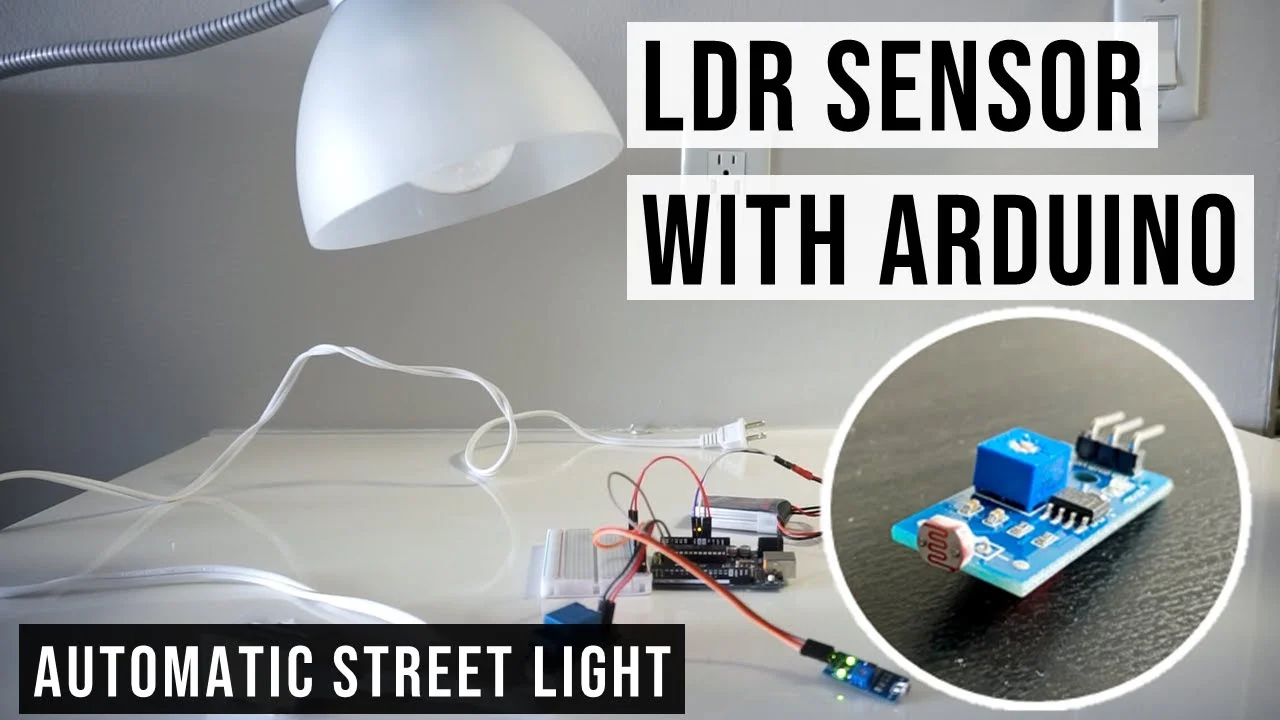
Lights automatically turn on in darkness and off in daylight using Arduino and LDR, saving energy and reducing manual effort.
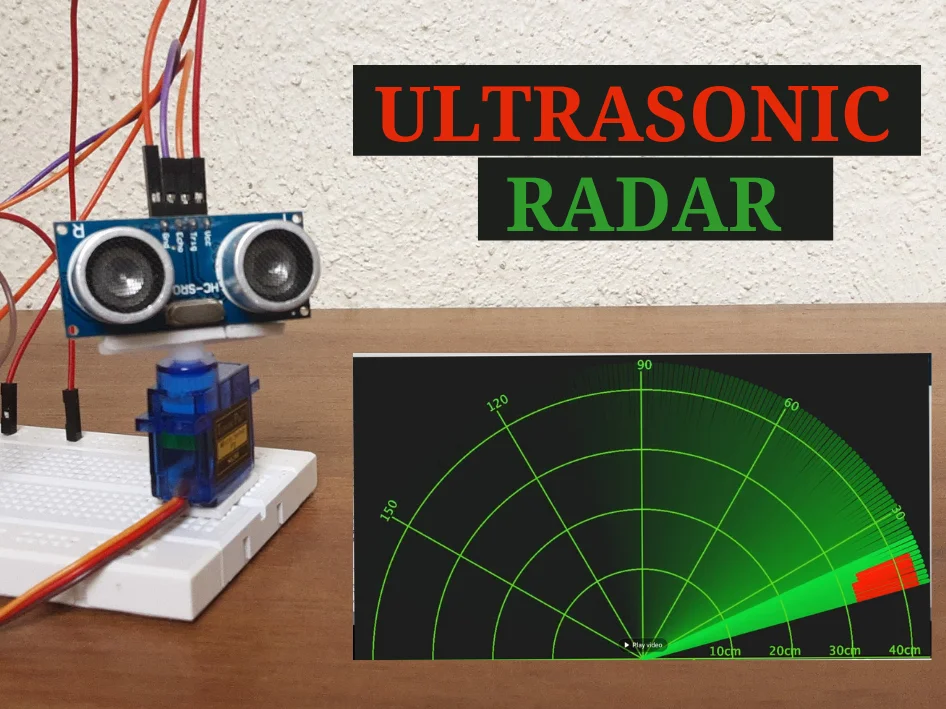
This project scans the surroundings using a servo-mounted ultrasonic sensor, displaying distance and object detection on a radar-like interface.
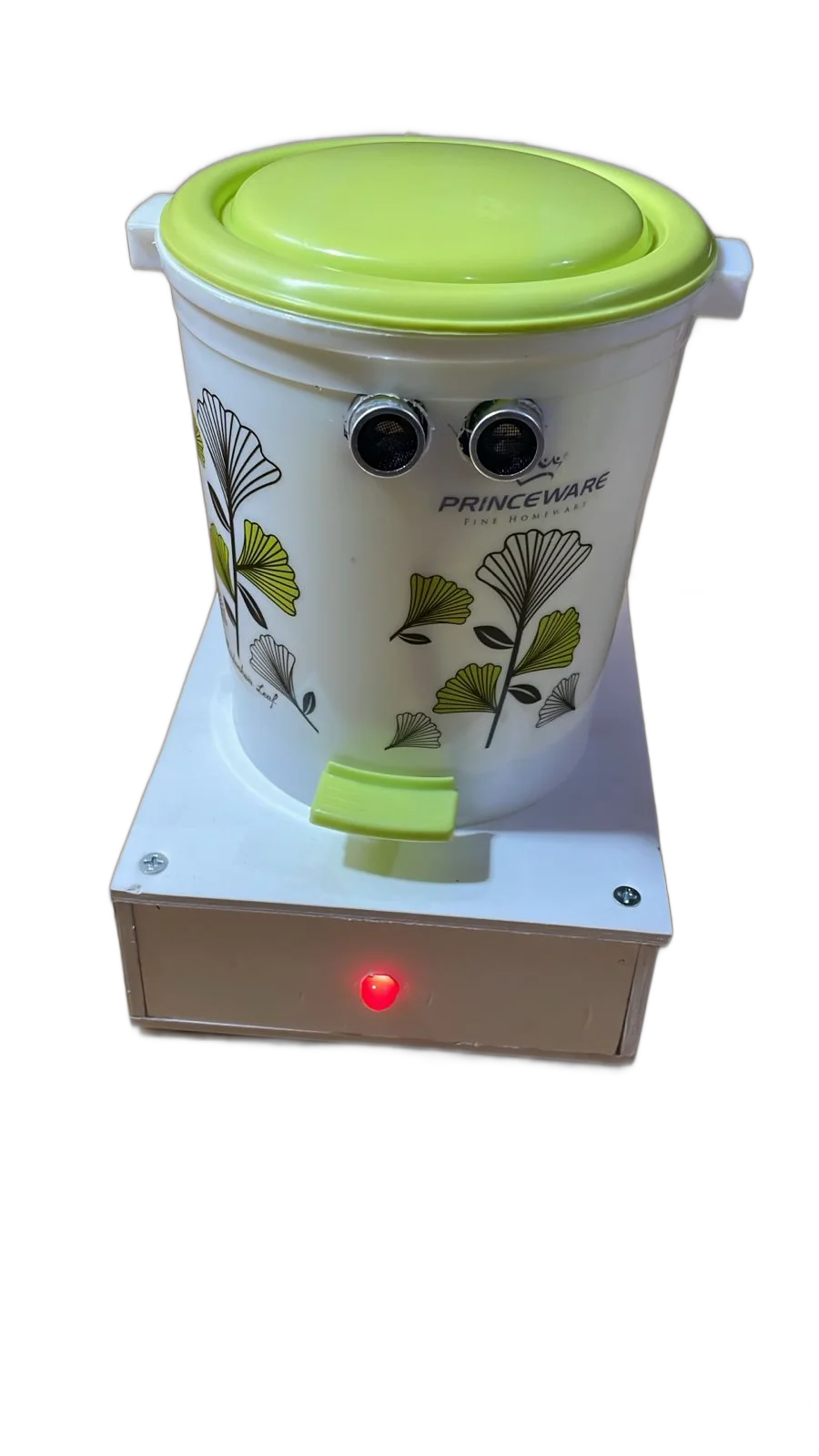
Automatically opens the dustbin lid when someone approaches, using an ultrasonic sensor for hands-free hygiene and smart waste management.
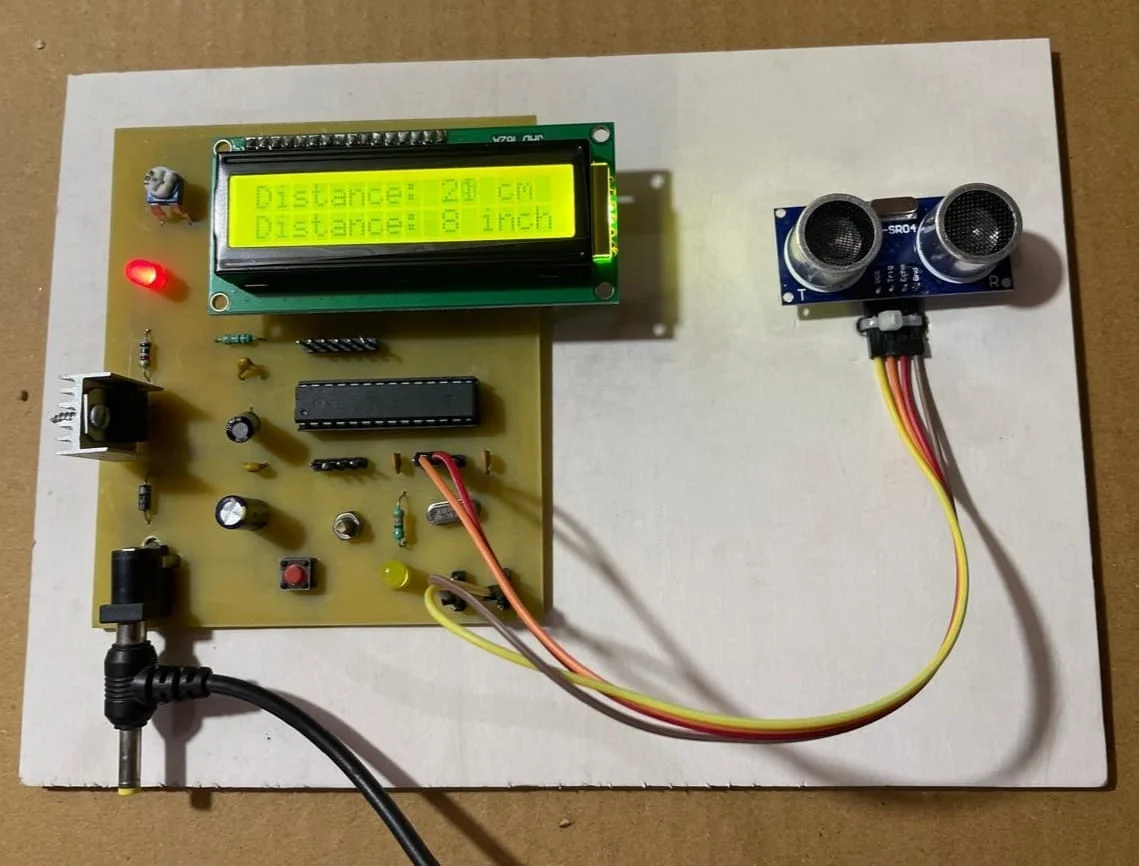
This project uses an ultrasonic sensor with Arduino to measure the distance to objects accurately, often used in automation and robotics.
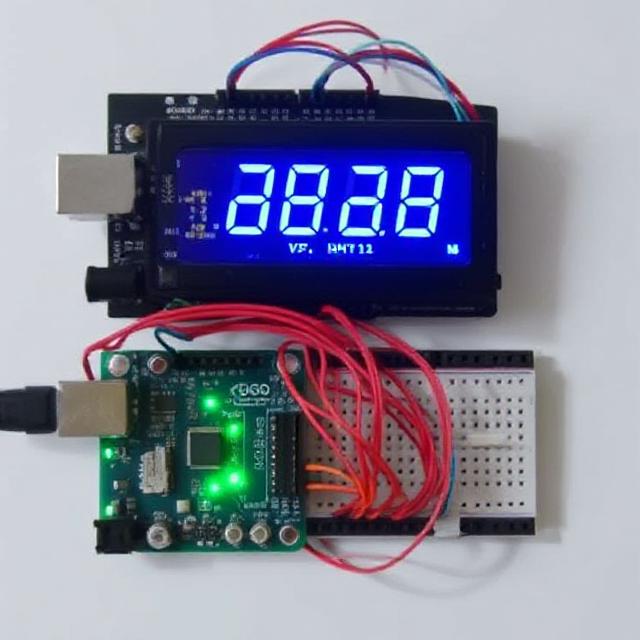
This device tracks ambient temperature and humidity using a DHT11 sensor and Arduino, ideal for environmental monitoring and smart agriculture.